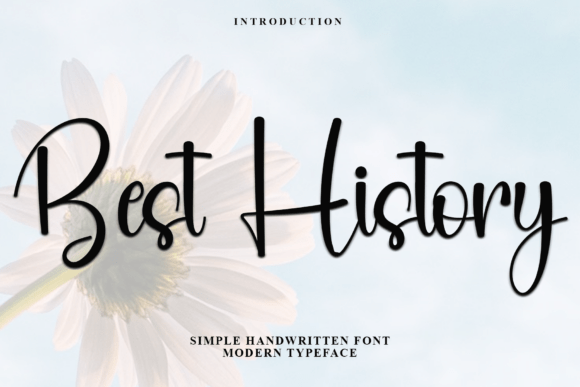
Best History: A Font with Character and Purpose
When it comes to fonts, the right choice can make all the difference. Best History is a font that stands out—not just for its visual appeal, but for its personality and versatility. Designed with a soft, unique touch, this typeface brings a special character to any project, whether it's for branding, creative work, or personal use.
A Typeface with Soul
Best History isn’t just another font. It’s a statement. With its distinctive strokes and natural flow, it feels like a handcrafted piece of design. The font has a gentle yet confident presence, making it both approachable and memorable. Its soft curves and subtle details give it a warm, inviting feel, while still maintaining a sense of professionalism.
The design of Best History is rooted in modern typography but infused with a timeless charm. It’s neither too bold nor too delicate, striking a balance that makes it suitable for a wide range of applications. Whether you're looking for a display font to catch attention or a more subdued typeface for editorial design, Best History offers something meaningful.
Where Does Best History Shine?
Best History works best in contexts where personality and readability go hand in hand. It’s particularly effective in creative fields such as graphic design, branding, and packaging. For instance, it could be the perfect choice for a boutique brand’s logo, adding a touch of elegance and individuality.
In digital spaces, Best History can elevate web design and social media graphics. Its clean lines and balanced structure ensure it remains legible even at smaller sizes. On print materials like brochures, magazines, or book covers, it adds a refined touch that enhances the overall aesthetic.
For personal projects, Best History is ideal for crafters, hobbyists, and content creators who want to add a unique flair to their work. It’s also well-suited for small business owners looking to create a strong brand identity without compromising on style.
How Best History Impacts Design
Choosing the right font can influence how your audience perceives your brand. Best History contributes to a sense of trust and approachability, making it an excellent fit for businesses that value authenticity and creativity.
Its visual hierarchy supports clear communication, helping to guide the viewer’s eye through your content. This is especially important in editorial design, where readability and clarity are key. Best History ensures that your message is not only seen but also understood.
Consistency is another benefit of using Best History. By incorporating it into your brand identity, you create a cohesive look across all platforms—whether it’s your website, social media, or printed materials. This consistency helps build recognition and reinforces your brand’s voice.
Moreover, Best History encourages engagement. Its unique style can capture attention and leave a lasting impression, which is crucial in today’s fast-paced digital landscape. Whether it’s used in a headline, a tagline, or a call-to-action, Best History has the power to make your content stand out.
Practical Tips for Using Best History
Before choosing Best History, consider the purpose of your project. Is it meant to convey professionalism, creativity, or warmth? Understanding the tone of your message will help you determine if this font aligns with your goals.
When evaluating font pairings, think about how Best History complements other typefaces. It pairs well with sans serif fonts for a modern contrast or with script fonts for a more elegant look. Experimenting with different combinations can lead to visually striking results.
Also, pay attention to readability. While Best History is designed for legibility, it’s important to test it in various formats and sizes to ensure it maintains its clarity. This is especially important for digital use, where screen resolution and font rendering can affect the final appearance.
Finally, don’t forget about licensing. Best History is available as a premium font, offering commercial use options for designers and businesses. Always review the included styles and ensure you’re using the font in compliance with its terms.
Real-World Applications of Best History
Consider a local café that wants to create a welcoming brand identity. Using Best History in their logo and signage can instantly convey a sense of warmth and community. Similarly, a publishing house might use it for book covers to add a touch of sophistication and uniqueness.
In the world of marketing, Best History can be a powerful tool. It’s great for headlines, banners, and promotional materials, helping to draw attention and create a memorable experience for the audience. Its adaptability makes it a valuable asset in both print and digital campaigns.
For content creators, Best History can enhance the visual appeal of blog posts, newsletters, and social media content. It adds a professional yet artistic edge, helping to differentiate your work from the rest.
Ultimately, Best History is more than just a font—it’s a design asset that can elevate your creative projects and strengthen your brand. By understanding its strengths and limitations, you can make informed choices that align with your vision and goals.