Loxia: A Bold Statement in Typography
When it comes to making a visual impact, typography plays a crucial role. Among the many fonts available, Loxia stands out as a unique and powerful choice for designers looking to elevate their projects with a strong, artistic presence. This font is not just another design tool—it's a statement. With its bold, uppercase-only structure and eye-catching aesthetic, Loxia is designed to be the focal point of any design.
The Visual Personality of Loxia
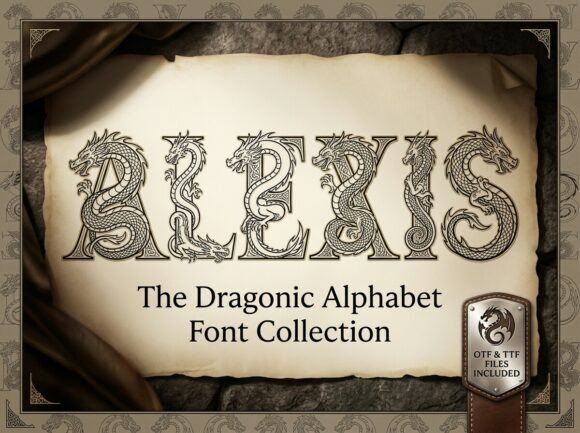
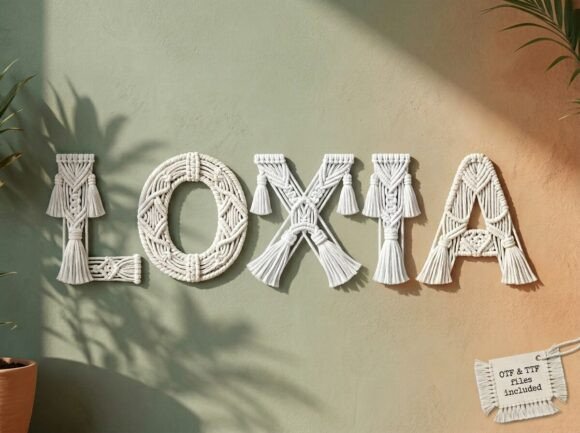
What sets Loxia apart from other display fonts is its distinctive character. Each letter is meticulously crafted to create a sense of movement and energy, giving the impression that the text itself is alive. The font features sharp angles, intricate details, and a dynamic flow that makes it ideal for high-impact applications.
Unlike traditional serif or sans-serif fonts, Loxia offers a more artistic and expressive feel. It’s not just about readability—it’s about creating a visual narrative. Whether you're designing a logo, a headline, or a decorative element, this font adds a layer of creativity and personality that can transform a simple design into something truly memorable.
Why Designers Choose Loxia
Designers across various industries are turning to Loxia for its versatility and visual appeal. From branding and packaging to digital media and print materials, this font fits seamlessly into a wide range of creative projects.
One of the key reasons Loxia is so popular is its ability to maintain a professional finish while still feeling artistic. It’s perfect for those who want to push boundaries without sacrificing quality. Its uppercase-only format ensures clarity and consistency, making it ideal for headlines, logos, and brand identities where every letter needs to make an impression.
Moreover, the font’s design allows for easy customization. When paired with complementary elements like color schemes, textures, or background effects, Loxia can be adapted to suit different styles and moods. This flexibility makes it a valuable asset for designers working on diverse projects.
Technical Features of Loxia
For designers who rely on advanced software tools, Loxia offers two essential file formats: OTF (OpenType Font) and TTF (TrueType Font). These files ensure compatibility with both professional design programs and everyday devices, making the font accessible to a wide audience.
The OTF file is particularly useful for users working with Adobe Creative Suite or other design platforms that support advanced typographic features. It provides greater control over spacing, kerning, and ligatures, allowing for more refined layouts. On the other hand, the TTF file is ideal for general use, ensuring smooth rendering across all operating systems and web browsers.
It’s important to note that Loxia is specifically designed for uppercase letters only. This means it does not include lowercase characters, which may affect how it is used in certain contexts. However, this limitation also enhances its effectiveness for specific applications such as logos, headlines, and decorative elements where the absence of lowercase letters creates a more striking visual effect.
Use Cases for Loxia
Loxia is best suited for projects where the font needs to stand out. Here are some common use cases:
- Logos and Branding: The bold, artistic nature of Loxia makes it an excellent choice for company logos, especially in industries like fashion, entertainment, and lifestyle.
- Bold Headlines: Whether it's for a website, magazine, or poster, Loxia can draw attention immediately with its commanding presence.
- Creative Packaging: The font’s unique style adds a touch of elegance and sophistication to product packaging, helping brands differentiate themselves in a competitive market.
- Digital Media: Loxia works well in web design, social media graphics, and video content, offering a modern and stylish alternative to standard fonts.
- Artistic Displays: For galleries, exhibitions, or art installations, Loxia can serve as a powerful visual element that complements the overall theme.
Each of these scenarios highlights how Loxia can be tailored to meet specific design goals while maintaining a cohesive and impactful look.
Considerations Before Using Loxia
Before incorporating Loxia into your projects, there are a few important factors to consider:
First, Loxia is designed for uppercase use only. This means it may not be suitable for long-form text or body copy, where lowercase letters are necessary for readability. As such, it’s best used in short, impactful phrases rather than extended paragraphs.
Second, the font’s artistic nature requires careful pairing with other design elements. While Loxia can be stunning on its own, it should be balanced with supporting visuals, colors, and typography to avoid overwhelming the viewer.
Finally, always ensure that you have the proper licensing rights before using Loxia in commercial or public-facing projects. Many font providers offer different license types, so it’s important to review the terms of use carefully.
Conclusion
Loxia is more than just a font—it’s a design statement. Its bold, artistic style and versatility make it a valuable addition to any designer’s toolkit. Whether you’re creating a logo, a headline, or a piece of decorative art, Loxia has the power to elevate your work and leave a lasting impression.